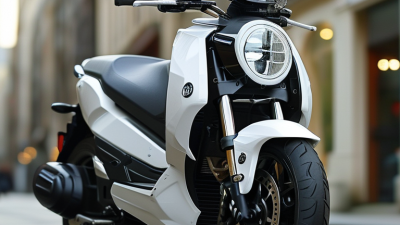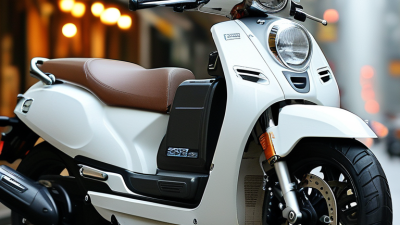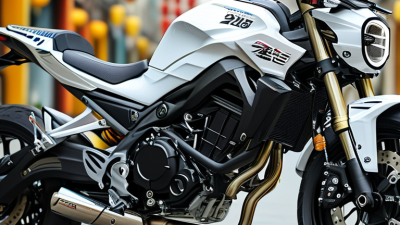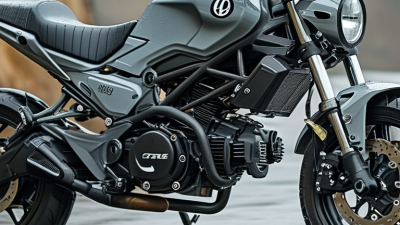
China Best Gas Scooters for Adults What Should Buyers Know?

China’s gas scooters for adults market attracts buyers with practical engines, compact frames, and competitive factory pricing. Yet “best” rarely means the cheapest model. It means a dependable balance of engine performance, braking, fuel use, comfort, parts availability, and documented quality control.

Recent industry reports show why careful comparison matters. Research and Markets’ 2024 scooter market outlook identifies urban mobility and affordable transportation as major demand drivers. The International Energy Agency’s Global EV Outlook 2024 also reports that electric two-wheelers dominate China’s new two-wheeler sales. This trend puts pressure on gasoline scooter manufacturers to improve efficiency, emissions performance, and after-sales service. Buyers should therefore request engine specifications, fuel-consumption testing, warranty terms, and compliance documents before placing an order.

Real details matter. Can the seat support an adult rider for one hour? Does the front brake feel progressive, or abrupt? Are replacement belts, tires, and carburetor parts available nearby? Small omissions can become expensive.

David Hough, a respected motorcycle safety author and instructor, wrote, “The best motorcycle safety device is a competent rider.” His point remains relevant. A powerful engine cannot compensate for poor braking habits or an unstable frame. Buyers may also underestimate vibration, noise, and cold-start behavior. I once considered fuel economy alone a strong buying signal; that was too narrow. This guide examines China’s leading gas scooters for adults through specifications, usability, supplier credibility, safety equipment, and ownership costs. Market data is useful, but independent inspection still matters more.
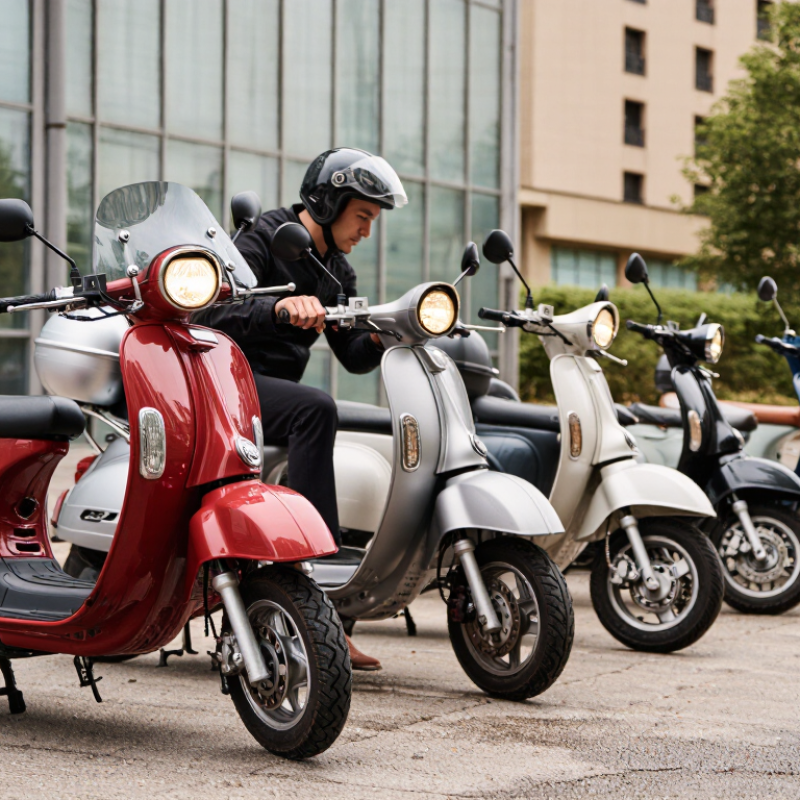
China Best Gas Scooters for Adults What Should Buyers Know?

What Defines the Best Gas Scooters for Adult Riders?

The best gas scooter for adults is not automatically the fastest model. It should match the rider’s weight, commute length, road conditions, and storage needs. A stable frame, comfortable seat, and upright riding position reduce fatigue during daily travel. Comfort matters.

Engine performance should feel smooth at city speeds, with enough power for moderate hills. Buyers should inspect fuel economy claims carefully because traffic, rider weight, and tire pressure change real-world results. A clear fuel gauge and easy starting system also improve everyday convenience. Small details count.

Reliable braking deserves close attention. Look for responsive front and rear brakes, strong tires, working lights, and suspension that handles uneven pavement without excessive bouncing. The scooter should also carry its rated load without feeling unstable. Check the owner’s manual, service schedule, warranty terms, and local road requirements before purchasing. Professional assembly and accessible maintenance support can prevent expensive mistakes.

A practical test ride reveals issues that specifications cannot show. Listen for unusual engine noise, test the brakes gently, and check whether the controls feel natural. Some published range figures seem optimistic. Real use may be different. Riders should also budget for protective clothing, fuel, inspections, and routine oil changes. The right choice balances performance, reliability, comfort, and responsible ownership rather than chasing the lowest price.
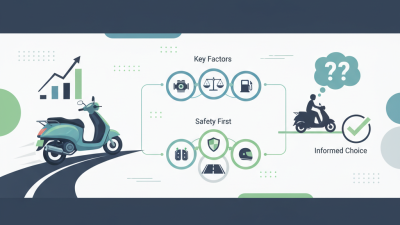

What Defines the Best Gas Scooters for Adult Riders?

Typical performance ranges by gasoline scooter engine class

For adult riders, the best gas scooter depends on the balance between usable speed, fuel economy, carrying ability, and licensing requirements. Smaller engines generally offer lower fuel consumption and simpler urban use, while larger engines provide stronger acceleration and better suitability for faster roads. Actual performance varies with rider weight, road conditions, maintenance, and local regulations.

Key Features to Compare Before Buying a Gas Scooter

When adults compare gas scooters, engine size should match their daily routes and body weight. A smaller engine may save fuel, but steep roads can expose its limits. Check the fuel tank capacity and estimate refill frequency before buying. Real-world fuel use often differs from catalog figures. During a test ride, notice acceleration, vibration, throttle response, and engine noise. Do not judge power alone. Braking performance matters more in crowded streets. Look for separate front and rear controls, strong brake feel, and predictable stopping. Wide, properly rated tires can improve grip on wet pavement. Suspension travel also matters on cracked roads.

Rider comfort deserves careful comparison. Measure the seat height, floorboard space, handlebar reach, and total vehicle weight. A heavy scooter may feel stable, yet awkward during parking. Storage should fit a certified helmet, rain gear, or a small lock. Inspect lights, mirrors, horn, and dashboard visibility in daylight. Ask how often the engine needs oil, filter, belt, and spark-plug service. Confirm that replacement parts and qualified technicians are available nearby. Read the owner’s manual before making a decision. It often reveals maintenance limits that sales materials omit. My own checklist is not perfect. A short ride cannot predict every repair or seasonal problem. Check local licensing, helmet, insurance, parking, noise, and emissions requirements. Choose documented safety testing and a clear warranty over impressive-looking accessories.

Top Gas Scooter Types for Different Adult Riding Needs

Adult riders should choose a gas scooter by purpose, not appearance. A lightweight commuter scooter suits short urban trips and frequent parking. Its smaller frame feels easier to control in traffic. Check the seat height, handlebar reach, braking system, and storage space before buying. Range matters.

A seated touring scooter works better for longer rides and uneven roads. Larger tires usually improve stability, while a padded seat reduces fatigue. Riders carrying groceries may prefer a stronger frame and rear rack. However, extra weight makes pushing and low-speed turning harder. That trade-off is easy to underestimate.

For private land and maintained trails, an off-road gas scooter may provide better ground clearance and suspension travel. It should have firm foot placement, responsive brakes, and guards around hot engine parts. A compact stand-up model can feel lively, but it demands more balance and offers less comfort. It feels different. Fuel systems also need regular inspection, especially after storage. Experienced owners check belts, tires, cables, and fluid levels before every extended ride. Local rules may restrict engine size, road use, noise, or registration, so buyers should confirm requirements before purchase. My own preference is not always the practical choice; comfort, maintenance time, and safe riding space should decide.

Safety, Comfort, Maintenance, and Legal Considerations

China Best Gas Scooters for Adults: What Should Buyers Know?

Safety should guide every buying decision. Check the front and rear brakes, tire condition, lights, mirrors, and steering before riding. A full-face helmet, gloves, and covered shoes offer better protection than casual clothing. During a test ride, listen for unusual engine noise and test braking on a quiet, legal road. I once underestimated handlebar vibration on a small scooter. It became tiring after thirty minutes.

Comfort depends on more than seat softness. Your knees should stay relaxed, and your feet should reach the floor confidently. Look for stable suspension, useful storage, and controls that remain easy to reach. Excessive vibration, heat, or exhaust noise can make daily travel unpleasant. A passenger seat may look practical, but confirm its weight limit first.

Maintenance needs regular attention. Check engine oil, tire pressure, brakes, lights, air filters, and drive components according to the manual. Fuel left unchanged for long periods may cause starting problems. Keep service records. They help reveal neglected repairs. Legal requirements differ across Chinese cities and districts, including registration, licensing, insurance, emissions, parking, and permitted roads. Confirm current rules with the local traffic authority before purchase. Never assume a scooter is road-legal because it is sold in a shop. Manufacturer claims can be incomplete. Your local rules matter more.

China Best Gas Scooters for Adults: What Should Buyers Know?

Adult Scooter Type Typical Engine Size Typical Fuel Economy Practical Riding Range Best Use Safety Features to Check Comfort Considerations Maintenance Expectations Legal and Registration Considerations
Urban Commuter Scooter 50–125 cc Approximately 2.0–3.0 L/100 km, depending on load, traffic, and riding style Approximately 150–250 km per tank City commuting, errands, and short daily trips Front disc brake preferred; rear brake, headlamp, brake lamp, turn signals, mirrors, horn, and side stand switch Low seat height, upright riding position, under-seat storage, and adequate legroom are useful for daily riding Check engine oil, tire pressure, brake wear, drive belt or chain, air filter, and battery regularly Usually requires registration, a motorcycle or scooter license, compulsory insurance, and an approved helmet; requirements vary by location
125–150 cc Touring Scooter 125–150 cc Approximately 2.3–3.5 L/100 km Approximately 180–300 km per tank Longer commutes, suburban travel, and occasional two-up riding Combined braking system or anti-lock braking system, stable suspension, bright lighting, and strong passenger footrests Wider seat, wind protection, adjustable rear suspension, and a stable wheelbase improve comfort on longer rides Follow the service schedule for oil, belt, rollers, coolant if liquid-cooled, brake fluid, and tire replacement Passenger-carrying rules, engine-size classifications, road-access restrictions, and licensing categories must be checked locally
Step-Through Utility Scooter 100–125 cc Approximately 2.1–3.2 L/100 km Approximately 160–260 km per tank Frequent stops, shopping, delivery-style work, and practical urban transport Load-rated rear carrier, secure storage, effective brakes under extra weight, reflective surfaces, and a reliable center stand Flat floorboard, easy mounting, broad seat, and balanced cargo placement reduce fatigue Inspect tires and suspension more often when carrying heavy loads; do not exceed the stated payload limit Commercial-use permits, cargo limits, reflective-equipment rules, and insurance conditions may apply to work-related use
Lightweight 50 cc Scooter 49–50 cc Approximately 2.0–2.8 L/100 km Approximately 120–220 km per tank Low-speed neighborhood travel and short urban journeys Reliable brakes, properly adjusted mirrors, functioning lighting, and a speed capability suitable for local roads Easy handling and low seat height help new riders, but small wheels may feel less stable on uneven surfaces Requires regular oil or lubricant checks, air-filter service, spark-plug inspection, and fuel-system care Do not assume that a small engine is exempt from licensing, registration, insurance, helmet, or road-use requirements
Premium-Comfort Scooter Class 150–300 cc Approximately 2.8–4.2 L/100 km Approximately 180–320 km per tank High-mileage commuting, ring roads where permitted, and relaxed touring Anti-lock braking system, traction control where available, quality tires, hazard lights, and a rigid frame Large seat, windscreen, low vibration, strong suspension, and generous storage are important for extended rides Service costs are generally higher; inspect the drive system, cooling system, brakes, tires, and suspension at scheduled intervals Higher engine capacity may require a different license class, higher insurance cost, and restrictions on expressways or urban areas
General Safety Baseline Not applicable Not applicable Not applicable Applies to every adult gas scooter Use a certified helmet, protective gloves, covered footwear, and abrasion-resistant clothing; confirm that the VIN, frame, and engine numbers match the documents Choose a seat and handlebar position that allow both feet to reach the ground securely when stopped Read the owner’s manual, keep maintenance records, use correct fluids, and replace damaged safety parts promptly Verify local rules before purchase: registration, license, insurance, emissions, noise limits, parking, lane access, and inspection requirements differ by jurisdiction
Pre-Purchase Inspection Any engine size Compare the claimed figure with independent real-world tests Calculate range using the usable tank capacity, not only the advertised capacity Confirm that the scooter fits the intended roads, distance, and passenger needs Test cold starting, braking in a safe area, steering alignment, lights, horn, mirrors, and tire condition Check seat firmness, vibration, wind protection, floorboard space, storage access, and passenger comfort Confirm parts availability, warranty terms, service intervals, diagnostic support, and the cost of routine consumables Obtain written documentation for conformity, ownership transfer, registration eligibility, insurance, and emissions compliance

How to Choose the Right Gas Scooter for Your Budget and Lifestyle

Choosing a gas scooter starts with your daily routine, not the engine badge. A short urban commute may need a compact, fuel-efficient model. Longer trips demand a larger tank, better suspension, and a more comfortable seat. I once underestimated seat comfort during a simple test ride. Ten minutes felt fine. An hour later, it would not.

Set a realistic budget before comparing specifications. Include fuel, insurance, registration, protective equipment, and regular servicing. A cheaper scooter can become expensive if parts are difficult to source. Ask about warranty coverage and maintenance intervals. Check local rules for licensing, road use, emissions, and minimum safety equipment. Requirements differ by location. Do not assume a purchase is automatically road-ready.

Your lifestyle also affects practical features. Under-seat storage matters when carrying groceries or a small backpack. Electric start is useful in cold mornings, while a lightweight frame helps with parking. Inspect the brakes, tires, lights, and frame carefully, especially on a used scooter. Take a supervised test ride on a quiet, legal route. Listen for unusual engine noise and check whether the controls feel natural. A fuel-powered scooter may offer longer range, but it also brings more maintenance. That trade-off deserves honest thought before buying.