What Is the Best Mini Moped to Buy in 2026?

Choosing the best mini moped in 2026 means matching the machine to your actual trips, not chasing the boldest range claim. A short commute, a steep hill, and a passenger-ready seat each demand different strengths. Look closely at braking feel, tire size, lighting, storage, and the comfort of the riding position. Small details matter. A narrow seat can feel fine in a showroom and tiring after several miles.

Motorcycle journalist Kevin Cameron is known for explaining how engineering choices shape real-world performance. This guide uses an editorial paraphrase of that practical approach, not a verbatim quotation: “Choose the machine that suits your route, then verify its limits.” That means comparing stated range with your expected distance, checking charging time, and asking how replacement parts and routine service are handled. Specifications help, but they do not tell the whole story.

A careful test ride can reveal a lot: Does the mini moped turn predictably? Can you reach the controls without stretching? Does the display remain readable in bright sunlight? Those answers may matter more than a few extra miles per charge. And yes, the perfect choice may still involve a compromise. This guide weighs price, comfort, performance, and ownership support to help identify the strongest options for different riders in 2026.
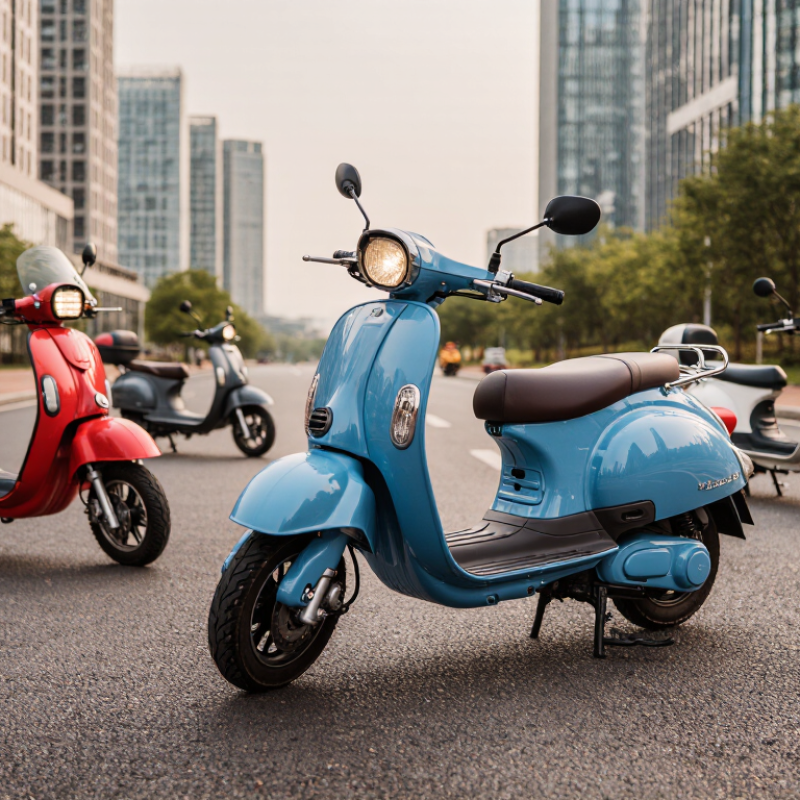
What Is the Best Mini Moped to Buy in 2026?

What Defines a Mini Moped in 2026

In 2026, “mini moped” is best understood as a practical description, not one universal vehicle class. It usually means a compact, seated two-wheeler with small wheels, a low step-through frame, and electric or small-engine power. Some models have pedals; others use footrests and a throttle. Check the details. The U.S. Consumer Product Safety Commission defines a low-speed electric bicycle around working pedals, a motor below 750 watts, and a motor-only top speed under 20 mph. Those limits describe a specific bicycle category, not every vehicle marketed as a mini moped.

Size alone proves little. Inspect the motor rating, claimed top speed, battery range, braking system, and whether the vehicle moves without pedaling. A narrow seat and tiny tires may look handy on a crowded street, but can feel less settled over broken pavement. PeopleForBikes’ market reporting estimated roughly 1.1 million U.S. e-bike sales in 2022, showing why clear category labels matter to shoppers. Still, “mini moped” remains inconsistent across sellers and regions. That is a real drawback. Compare the specification sheet with local vehicle and safety requirements before buying, and treat range claims as estimates; cold weather, hills, and rider weight can reduce them.
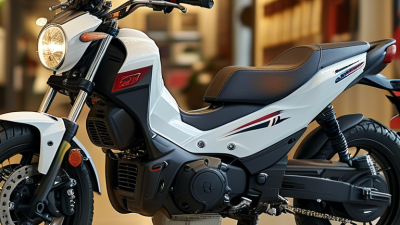
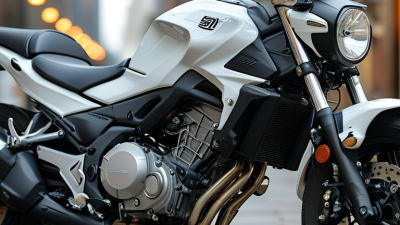
Which Features Matter Most When Choosing a Mini Moped

A mini moped should feel manageable at a stop, not merely look compact. Check its actual weight, seat height, and handlebar reach; a short test ride can reveal awkward balance or cramped knees. Brakes matter more than flashy displays. Look for predictable stopping, clear controls, and tires with enough tread for wet pavement. NHTSA’s 2023 Traffic Safety Facts counted 6,335 motorcyclist deaths nationwide. That figure covers motorcycles broadly, not mini mopeds, but it underscores why safety equipment deserves close attention.

Battery range or fuel capacity should match your real route, including hills, cold mornings, and a return trip. Treat advertised range as a comparison point, not a promise. A lighter vehicle may be easier to park, yet less comfortable over broken pavement. Check suspension feel, lighting visibility, and whether a passenger or grocery bag changes its handling. Small details count.

Also inspect service access and replacement-part availability before buying. A low purchase price can lose its appeal if routine maintenance is difficult. Ask how the range or performance figures were measured; vague answers are a warning sign. I would prioritize controllable brakes, a comfortable riding position, and dependable local servicing over extra screens. Still, comfort is personal. A five-minute sit may not tell the whole story.

How Leading Mini Moped Types Compare

The best mini moped depends on where you ride and how far you travel. Electric models suit short urban trips: they run quietly, need no fuel stops, and deliver smooth starts at traffic lights. Their limits are charging time, battery replacement cost, and range, which can drop in cold weather or on steep routes. Treat the advertised range as an estimate, not a promise.

Compact gas-powered models can be practical for longer rides when refueling access matters. They usually make more noise and need routine engine care, such as oil checks. Frame style matters too. A step-through layout makes frequent stops and mounting easier, while a compact, motorcycle-style frame may feel steadier on uneven pavement. Small wheels can still make potholes unpleasant. Test the fit.

Before buying, check the stated weight limit, braking system, tire size, lighting, and parts availability. These details matter more than a flashy top-speed figure. Ask how the battery or engine is serviced, and inspect welds, cables, and brake response in person. A short test ride can reveal awkward handling that a specification sheet misses. I may be overcautious, but comfort often beats extra speed. Vehicle classifications and equipment rules vary by location, so verify local requirements before choosing a model.

How to Match a Mini Moped to Your Riding Needs

What Is the Best Mini Moped to Buy in 2026?
How to Match a Mini Moped to Your Riding Needs

The best mini moped is the one that suits your actual routes, not the longest feature list. Measure your usual round trip, then consider hills, road surfaces, parking, and whether you’ll carry a bag or passenger. For short, flat commutes, a compact model may be easier to store and maneuver. Longer trips call for a comfortable seat, stable handling, and enough range for a return journey. Treat advertised range as a guide, not a guarantee; cold weather, hills, and frequent stops can reduce it. A few minutes on a test ride can reveal an awkward seat or controls that look fine on paper.

Tips: Write down your three most common trips. Check the moped’s load limit, braking setup, lighting, and service availability. Leave range in reserve.

Safety should shape the match, too. The CDC reports that motorcycle helmets reduce the risk of death by about 37% for riders. NHTSA’s 2022 Traffic Safety Facts recorded 6,218 motorcyclist deaths in the United States. Those figures cover motorcyclists broadly, not every mini moped category, but they underline why protective gear and visibility matter. Choose a helmet that fits securely, and check how clearly the moped can be seen in your usual riding conditions. A practical choice may feel less exciting at first. That is worth reconsidering.

What Is the Best Mini Moped to Buy in 2026? - How to Match a Mini Moped to Your Riding Needs

Riding Need Mini Moped Type to Consider Typical Strengths Main Trade-Offs What to Check Before Buying
Short urban trips and easy home charging Compact electric moped with a removable battery Quiet operation, no tailpipe emissions while riding, and convenient charging where the battery can be safely removed. Real-world range can fall with cold weather, hills, high speeds, and heavier loads. Charging takes longer than refueling. Battery weight, charging time, replacement-battery availability, weather protection, and the maker’s range-testing conditions.
Longer daily commutes or routes with hills Higher-capacity electric moped with a larger battery and adequate rated power A larger battery can provide more usable energy, while suitable motor power can help with hills and carrying a rider. Usually heavier and more expensive than smaller electric options; actual range still varies with route and riding conditions. Battery capacity in watt-hours, continuous motor rating, hill performance, charging access, and the route’s elevation changes.
Riding where fuel stops are more practical than charging Small-displacement, gasoline-powered moped Quick refueling and no need to recharge a traction battery between trips. Produces exhaust and engine noise, requires routine engine maintenance, and may have restrictions based on engine size and speed. Local licensing and registration rules, fuel requirements, maintenance schedule, emissions compliance, and parts availability.
Low-speed neighborhood trips with occasional pedaling Pedal-assist moped-style cycle, where permitted Pedals may provide extra help when the battery is depleted and can make short, low-speed trips more flexible. Pedal-assist limits and vehicle classification vary by location; it may not be suitable for fast traffic or steep routes. Whether the vehicle meets local e-bike rules, the assist cut-off speed, brake performance, and whether riding without assistance is practical.
Carrying groceries or a small work load Utility-style compact moped with a rated rack or cargo area Purpose-designed carrying space can make everyday errands more convenient. Added cargo increases total weight, can reduce range or acceleration, and may affect handling. Maximum payload, rack limits, secure attachment points, braking capacity, and the effect of a loaded ride on battery range.
Occasional use, limited storage, or a tight budget Basic compact electric or small-displacement moped suited to the route A simpler configuration may cost less and take up less storage space than a larger, higher-spec model. A lower purchase price can mean shorter range, fewer comfort features, or less capacity for hills and passengers. Total ownership costs, warranty coverage, service access, storage dimensions, and whether the vehicle fits the rider comfortably.

Buying note: “Mini moped” is not a single standardized vehicle category. Motor-power limits, maximum speeds, licensing, registration, insurance, helmet rules, and where a vehicle may be ridden vary by location. Confirm local requirements and compare manufacturer specifications before buying; advertised range and performance are not guaranteed real-world results.

What to Check Before Buying and Riding a Mini Moped

Before choosing a mini moped in 2026, match it to your actual routes. Measure your usual parking space and consider hills, rough pavement, and ride length. A compact frame is easy to store, but a cramped seat can feel tiring after twenty minutes. Check the stated load limit and whether the handlebars, mirrors, and footrests suit your body. Small details matter.

Inspect the machine in daylight. Look for cracked tires, bent levers, loose cables, rust around the frame, and fluid leaks. Squeeze both brakes; they should engage firmly without scraping or excessive travel. Ask to see maintenance records and confirm the vehicle identification details match its documents. If it has a battery, check its age, charging equipment, and replacement cost. If it has an engine, request a cold start. Listen closely. A smooth idle is reassuring, though it does not replace a proper inspection.

Before riding, adjust the mirrors and controls, test the lights and horn, and wear a well-fitted helmet and protective clothing. Practice braking and slow turns in a quiet, open area. Check local requirements for registration, licensing, insurance, and permitted roads before buying. I would not choose by speed alone; comfort and predictable braking matter more on everyday trips. It is easy to overlook storage space, and I might still underestimate how awkward a heavy lock feels in a small seat compartment.

Mini Moped Buying Check: Estimated Stopping Distance

Before buying, check the brakes and tires, then confirm they work properly during a safe test ride. This chart estimates total stopping distance at different speeds, assuming a 1-second reaction time and constant braking at 0.7 g on a level, dry surface. Actual distances vary with road conditions, tires, brakes, and rider response.