Why Choose a Retro Scooter for Global Sourcing?

Choosing a retro scooter for global sourcing involves more than selecting a charming shape. It requires careful attention to engineering, supplier capability, compliance, and long-term service. A well-designed retro scooter can combine classic visual cues with modern braking systems, efficient motors, durable frames, and practical storage. The result should look familiar, yet perform reliably on today’s streets.

Corradino D’Ascanio, the engineer associated with the original Vespa, reportedly said, “I don’t like motorcycles. They’re uncomfortable, noisy and bulky.” His observation still matters. A successful retro scooter should make daily travel easier, not merely imitate history. Buyers should examine frame materials, battery quality, motor performance, lighting, tires, and spare-part availability. Factory audits, sample testing, and transparent production records also reduce sourcing risks. Small details matter. A loose switch or weak hinge can damage customer trust quickly.

Global sourcing adds another layer of responsibility. Importers must verify product documentation, labeling, electrical safety, packaging, and local road requirements before placing large orders. Standards differ across markets. That cannot be ignored. Supplier communication should also cover warranty handling, quality inspection, delivery timelines, and after-sales training. In practice, the cheapest quotation may become expensive after rework, delays, or customer complaints. This is where experience becomes valuable, although even experienced buyers can misjudge demand. A retro scooter may attract attention in photographs but sell slowly in a rainy region or a market with limited charging access. Good sourcing therefore balances nostalgia with evidence, usability, and responsible commercial planning.

Why Choose a Retro Scooter for Global Sourcing?

What Defines a Retro Scooter in the Global Market?

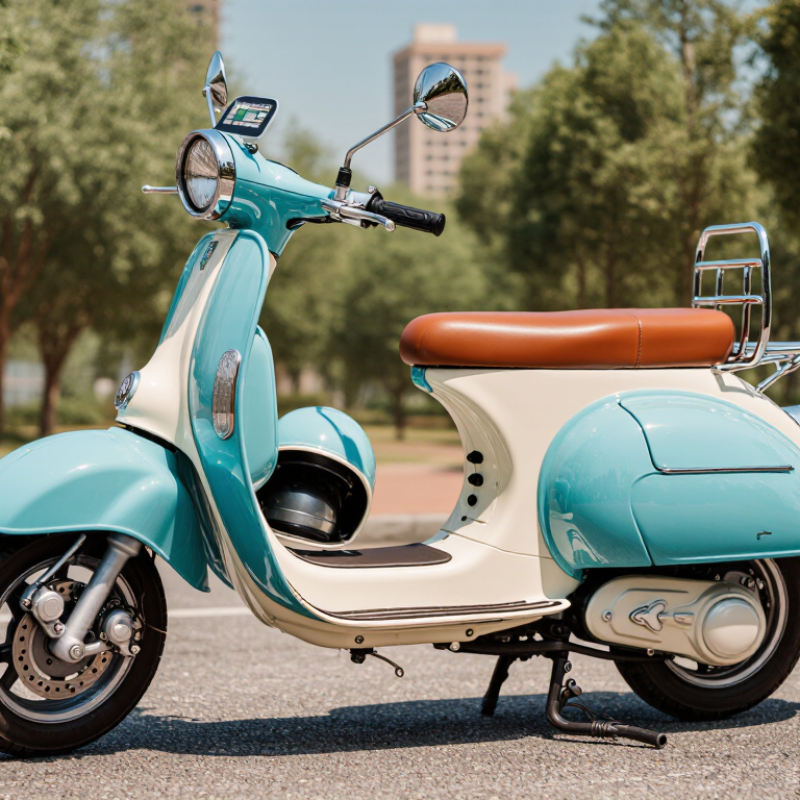
A retro scooter is not simply an old-fashioned vehicle. It combines familiar design cues with current engineering, safety, and production standards. Typical details include a rounded front cover, a low step-through frame, a broad saddle, chrome-like trim, and compact wheels. These features create an emotional connection, but they also influence packaging, storage, and riding posture.

Function still leads.

The International Energy Agency’s Global EV Outlook 2024 reports that electric two- and three-wheelers represented about half of new sales in China in 2023. This shows why global buyers increasingly assess battery placement, charging access, range, and thermal protection alongside appearance.

For sourcing teams, a retro model should support replaceable panels, clear wiring layouts, consistent paint quality, and parts that fit different market requirements.

Small details matter.

The definition remains imperfect. Some models look classic but use modern digital displays and energy-saving drivetrains. Others copy vintage shapes while offering poor legroom or weak suspension. That mismatch can damage reviews after launch. The United Nations Economic Commission for Europe also emphasizes vehicle safety and technical compliance as essential market considerations. A reliable retro scooter therefore needs more than attractive styling. It needs measurable specifications, traceable testing records, and realistic user feedback from different road conditions. According to the Global EV Outlook 2024, two-wheelers remain central to affordable urban mobility in many emerging markets, making comfort, durability, and serviceability critical sourcing criteria.

Which Features Make Retro Scooters Attractive to International Buyers?

International buyers often choose retro scooters because they combine familiar styling with practical urban transport. Their rounded panels, low seat, and chrome-colored details create an emotional appeal in showroom displays. A flat floorboard helps riders carry a small bag or shopping basket. Looks matter.

Under the classic shell, buyers expect modern convenience. LED lighting improves visibility, while a clear digital display shows speed, battery level, or fuel information. Reliable brakes, stable tires, and adjustable rear suspension support daily use on uneven streets. USB charging is useful, but its waterproof protection should be verified. Small details can decide repeat orders.

During supplier evaluations, experienced buyers inspect frame welds, paint thickness, wiring protection, and spare-parts availability. They also request product test records, packaging photos, and traceable quality checks before shipment. Knock-down packaging can reduce freight volume, although assembly time may increase for local distributors. Regional certification requirements must be confirmed early. One overlooked document can delay an otherwise ready shipment.

Customization is another attraction. Importers may request different seat colors, dashboard languages, wheel sizes, or accessory packages. Yet excessive customization can raise minimum order quantities and complicate after-sales service. Keep it simple. A scooter may look perfect in a sample room but perform poorly in heavy rain or hot storage conditions. Buyers should test those conditions, not just admire the silhouette.

Why Choose a Retro Scooter for Global Sourcing?

EU licence-class power thresholds show why compact retro scooters can address several international rider segments.

Accessible displacement
The EU A1 category covers motorcycles up to 125 cc and 11 kW, making this format relevant to entry-level and urban buyers.
Flexible product range
Retro styling can be applied across moped, 125 cc and larger scooter categories without changing the core visual identity.
International appeal
Step-through ergonomics, practical storage and recognizable classic styling support use in dense cities and lifestyle-oriented markets.

Regulatory reference: European Union driving-licence categories under Directive 2006/126/EC and vehicle classification requirements under Regulation (EU) No 168/2013.

How Do Retro Scooters Compare with Modern Scooter Designs?

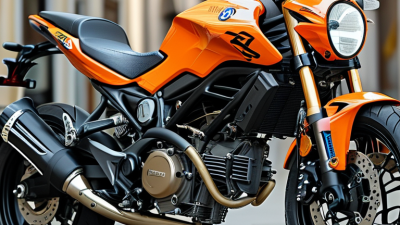
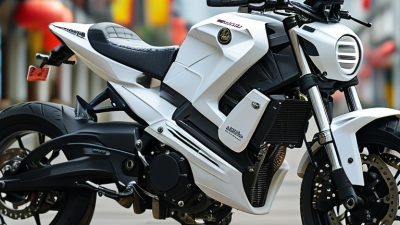
Retro scooters attract buyers with rounded panels, simple lines, and a familiar riding position. Yet appearance should not decide a sourcing project alone. Modern scooter designs often use sharper bodywork, integrated lighting, digital displays, and more flexible storage layouts. They usually feel more practical in dense urban traffic.

From a procurement perspective, retro models can offer a clear visual identity without complicated styling changes. Their mechanical layout may also be easier to inspect and maintain. This can help distributors evaluate spare parts, assembly quality, and service training. However, “simple” does not always mean inexpensive. Metal-look finishes, curved panels, and custom trim may increase production time. Confirm these details with samples, not catalog images.

Modern designs often provide better wind protection, improved dashboard functions, and more efficient use of space. Their contemporary frames may support easier upgrades, but electronic components require stricter quality checks. A faulty display or charging system can create support problems across different markets. Retro scooters may be less impressive inside, honestly. Some offer limited legroom, smaller storage compartments, or dated control layouts. That matters. Buyers should compare seat height, braking response, lighting visibility, weather resistance, and replacement-part access during real testing. I would also review delivery records and inspection reports, because a polished prototype can hide uneven factory consistency. The best choice depends on customer habits, local roads, repair capability, and the supplier’s willingness to correct weaknesses.

Why Choose a Retro Scooter for Global Sourcing? - How Do Retro Scooters Compare with Modern Scooter Designs?
Comparison Dimension Retro Scooter Design Modern Scooter Design Global Sourcing Implication
Design Language Uses classic visual cues such as rounded body panels, circular headlights, chrome-look trim, two-tone colors, and vintage-style badges. Usually emphasizes sharp lines, integrated body panels, angular lighting, exposed technical details, or minimalist surfaces. Retro styling can create clear product differentiation without requiring advanced electronic features, while modern styling may need more complex molds and integrated components.
Powertrain Options Commonly associated with small-displacement internal-combustion layouts, although electric versions can use the same visual theme. Available with internal-combustion, battery-electric, or hybrid-related configurations depending on the target market and vehicle category. Electric models may reduce routine powertrain servicing but require battery, charger, electrical-safety, and transport compliance checks.
Typical Engine or Motor Positioning Often uses a conventional step-through scooter layout with the powertrain concentrated near the rear wheel or under the floor area. May use similar layouts, but modern electric platforms can place the battery low in the floorboard or central frame area to improve balance. Battery location affects frame tooling, center of gravity, waterproofing, packaging volume, and shipping weight.
Body Materials Frequently uses steel frames with painted plastic or metal-look exterior panels. Actual material selection varies by price segment. Commonly uses steel or aluminum structural parts combined with injection-molded plastics and integrated electronic housings. Steel can support a classic appearance and robust frame structure, while aluminum and engineered plastics may reduce weight but increase tooling or material-control requirements.
Lighting System Often features round headlamps and separated indicator designs. LED lighting can be used while preserving a classic appearance. More frequently uses integrated LED headlamps, daytime running lights, tail lamps, and indicators. LED systems can improve energy efficiency and service life, but suppliers must verify electrical compatibility, photometric performance, and local approval requirements.
Instrument Panel Typically favors analog gauges or analog-style displays, sometimes combined with a small digital screen. More likely to use fully digital displays, smartphone connectivity, navigation functions, or app-based vehicle information. Retro dashboards may simplify software validation and reduce electronic integration risk; modern dashboards require additional testing for firmware, connectivity, and cybersecurity-related requirements.
Riding Position Usually provides an upright, relaxed posture and a broad visual seat profile consistent with traditional step-through scooters. May offer a more compact or performance-oriented posture, although commuter models also commonly use an upright layout. Seat height, handlebar reach, floorboard space, and rider ergonomics should be checked with representative users in each target market.
Wheel and Tire Package Often uses relatively compact wheels and classic tire sidewalls, depending on the frame and intended use. May use larger-diameter wheels, wider tires, or sport-oriented tread patterns to support handling and contemporary styling. Wheel size affects ride comfort, steering response, tire availability, spare-parts planning, and container loading efficiency.
Storage and Utility Usually provides under-seat storage and a front shield or luggage hook, with space determined by the engine, battery, and frame design. May add USB charging, larger compartments, external racks, dashboard storage, or modular accessories. Utility features increase perceived value but add component count, assembly steps, water-ingress checks, and after-sales parts requirements.
Safety Equipment Can include disc brakes, drum brakes, combined braking systems, anti-lock braking systems, daytime lighting, and reflective equipment, depending on specification and regulation. Often integrates the same mandatory safety systems with additional electronic monitoring or more tightly integrated lighting and display functions. Safety content should be defined by the destination market rather than by appearance. Homologation, braking performance, lighting, mirrors, tires, and electromagnetic compatibility must be verified.
Routine Maintenance Internal-combustion versions require items such as engine oil, filters, spark-plug inspection, belt or chain checks, and fuel-system maintenance. Electric versions generally eliminate engine oil and spark-plug servicing but still require checks for tires, brakes, suspension, steering, charging equipment, and battery condition. Retro electric models may offer lower routine powertrain maintenance, while internal-combustion models can be easier to service in markets with established small-engine repair networks.
Customization Potential Works well with color variants, seats, mirrors, racks, windscreens, trim, luggage, and other visual accessories. More often relies on integrated technology packages, body-kit options, lighting signatures, connected services, and functional accessories. Retro accessories can be developed as modular add-ons, allowing staged product launches and lower initial tooling exposure.
Manufacturing Complexity Classic forms can be visually distinctive, but curved panels, decorative finishes, color matching, and chrome-look parts require tight cosmetic quality control. Complex surfaces, integrated lamps, sensors, displays, wiring, and software can increase assembly and validation requirements. Retro sourcing shifts attention toward surface quality and finishing consistency; modern sourcing shifts more attention toward electronics, software, and system integration.
Packaging and Shipping Petrol models require empty-fuel procedures and appropriate handling before shipment. Electric models require battery classification and transport documentation. Electric models may require controls for lithium-ion battery packaging, state of charge, labeling, and dangerous-goods transport rules. Confirm shipping classification, battery documentation, packaging tests, and destination-country import requirements before finalizing the supplier and delivery terms.
Spare-Parts Strategy Can use familiar mechanical service parts, but cosmetic panels and trim may need model-specific inventory. May require electronic control units, displays, chargers, sensors, communication modules, and model-specific wiring assemblies. Retro products may simplify electronic spare-parts planning, while modern products require stronger software support, diagnostic tools, and long-term component availability.
Retail Positioning Appeals to buyers seeking distinctive styling, nostalgia, lifestyle value, and a less generic appearance. Appeals to buyers prioritizing connectivity, contemporary appearance, performance features, convenience, and energy-related benefits. Retro scooters can occupy a lifestyle-oriented niche, helping importers differentiate through design, accessories, colors, and storytelling rather than specifications alone.
Best-Fit Sourcing Strategy Suitable for staged customization, color-led product differentiation, accessory bundles, and markets where classic styling has strong appeal. Suitable for technology-led differentiation, connected services, performance specifications, and buyers willing to evaluate electronic features. The best choice depends on destination regulations, service infrastructure, target customer profile, battery logistics, expected order volume, and desired level of product customization.

Note: Specifications vary by vehicle category, displacement, battery system, destination market, and applicable regulations. Confirm final technical data, certification requirements, transport rules, warranty terms, and spare-parts support with the selected supplier before placing a purchase order.

What Should Importers Evaluate Before Global Sourcing?

Retro scooters attract buyers through familiar shapes, upright seating, and visible metal-style details. Yet importers should evaluate the product beyond appearance.

The IEA’s Global EV Outlook 2024 reported nearly 10 million electric two- and three-wheelers sold worldwide in 2023. That demand makes retro styling commercially interesting, but volume alone cannot validate a sourcing decision. Importers should compare motor output, battery capacity, charging time, range, warranty terms, and spare-part availability. Ask for independent test records, not only factory brochures. A beautiful sample proves little. Check weld quality, paint thickness, cable routing, brake performance, and weather resistance. Small defects become expensive after several months of customer use.

Battery documentation deserves closer attention. The International Electrotechnical Commission’s IEC 62619 standard provides useful guidance for industrial lithium battery safety, while UN 38.3 testing supports safer battery transport. Requirements still vary by destination market. Confirm applicable vehicle certification, labeling, charger compatibility, and recycling obligations before placing an order. The World Bank’s Logistics Performance Index 2023 also shows that customs reliability and shipment tracking differ widely between markets. A low factory quote can therefore mislead. Include tooling, inspections, ocean freight, insurance, duties, local delivery, and after-sales inventory in the landed-cost model. Forecasts can be wrong. Importers should begin with a controlled trial order, measure defect rates, and review customer feedback before scaling. Even experienced buyers sometimes underestimate replacement controllers, mirrors, and body panels. That mistake quietly damages profitability.

How Can Buyers Select Reliable Retro Scooter Suppliers?

Why Choose a Retro Scooter for Global Sourcing?

How Can Buyers Select Reliable Retro Scooter Suppliers?

Reliable supplier selection begins with evidence, not attractive scooter photos. Buyers should request factory details, production capacity, and recent export experience. A capable supplier can explain frame materials, motor options, battery specifications, and quality checkpoints clearly. Vague answers deserve attention. Ask for a production sample before placing a large order. Inspect its welds, paint finish, brake response, lighting, controls, and packaging. Small defects often reveal weak process control.

Check whether the supplier maintains documented quality procedures and traceable component records. Request independent test reports where appropriate, especially for electrical systems and battery safety. Requirements differ across destination markets, so suppliers should support local compliance reviews. Certificates alone are not enough. Confirm their issuing bodies, dates, product scope, and matching model numbers. A factory audit, either in person or through a qualified inspection company, adds useful evidence.

Commercial reliability matters just as much as technical quality. Discuss minimum order quantities, production lead times, spare parts, warranty handling, and responses to defective units. Ask how they protect scooters during ocean transport. Photos of reinforced cartons can reveal practical experience. I have learned that early communication may look excellent, yet weaken after payment. No checklist is perfect. Keep written records, compare several suppliers, and test their response to an unexpected design change before committing.