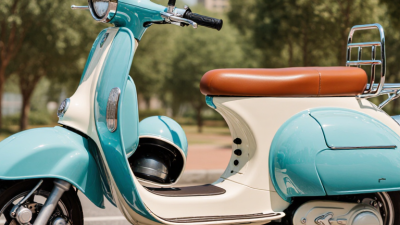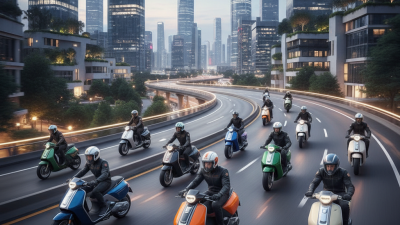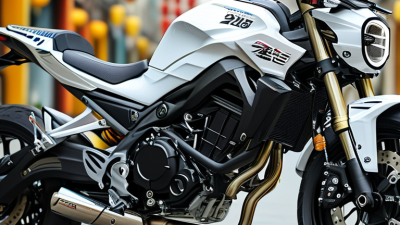
Street legal scooters sit between everyday mobility and regulated motorcycling. They may look simple, but their legal status depends on speed, engine size, equipment, and location. A compliant model usually includes a vehicle identification number, required lighting, mirrors, turn signals, brakes, and safety certification. Registration, insurance, and a suitable license may also apply. Rules differ sharply between countries, states, and cities.
The technology is straightforward. A gasoline scooter uses an engine, fuel system, transmission, and exhaust system. An electric scooter uses a battery, controller, electric motor, and charging system. In both designs, the throttle controls acceleration, while independent brakes manage stopping. Small wheels and a low seat make scooters easy to handle, but uneven pavement, wet road markings, and parked-car doors still create real hazards. The U.S. National Highway Traffic Safety Administration’s Traffic Safety Facts reports consistently emphasize motorcycle vulnerability in crashes. That warning matters here.
Industry evidence also supports careful classification. The International Energy Agency’s Global EV Outlook tracks rapid electrification across two- and three-wheel transport, especially in Asian markets. Meanwhile, European Commission road-safety reports stress speed control, protective equipment, and infrastructure quality. These reports do not make every electric model street legal. That assumption is common—and wrong. Buyers should verify the manufacturer’s certification, local vehicle code, registration process, and insurance requirements before riding. A model can be powerful, quiet, and attractive, yet still fail a basic road-use requirement. This guide explains how street legal scooters work, what equipment supports compliance, and where practical ownership can become complicated. Safety is never automatic.
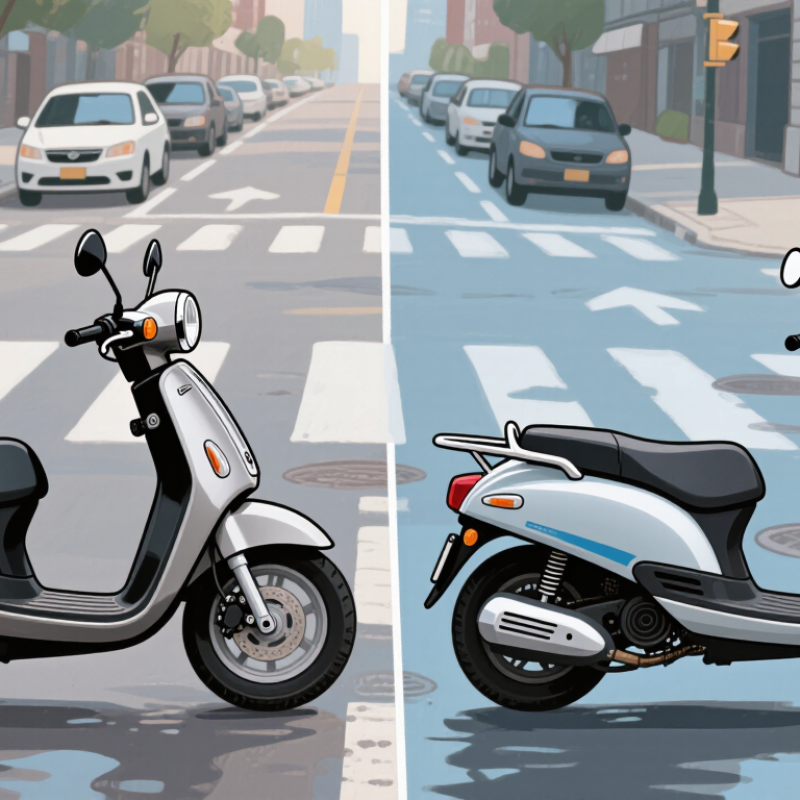
What makes a scooter street legal depends on the road authority, not its appearance. A working headlamp, rear reflector, audible warning device, reliable brakes, and visible identification may be required. Many jurisdictions also set maximum speed, motor output, rider age, helmet use, and permitted roadways. A scooter that is legal on a local street may be restricted on sidewalks or major roads elsewhere.
The numbers explain why these details matter. The U.S. Consumer Product Safety Commission reported 233,870 emergency-department-treated injuries linked to micromobility products from 2017 through 2022. NACTO’s 2023 Shared Micromobility Report recorded 157 million shared trips in the United States and Canada. More riders mean more pressure for clear standards. Yet the term “street legal” still sounds simpler than it is. That wording can mislead buyers.
Tips: Check your transport authority’s current rules before riding. Confirm the scooter’s top speed, lighting, brakes, reflectors, and required registration. Look for recognized electrical safety testing, such as UL 2272, but do not treat certification as road approval. Keep a small light on hand. Real streets are darker than product photos suggest. A careful inspection is easy to skip, and that is the uncomfortable part.
| Legal Feature | What It Means | Typical Requirement or Standard | How It Affects Use |
|---|---|---|---|
| Vehicle Classification | A street-legal scooter is a motorized two-wheeled vehicle approved for use on public roads under the rules of the relevant jurisdiction. | Classification may depend on motor type, engine displacement, maximum design speed, wheel configuration, and whether the vehicle has a seat. | The classification determines whether the scooter is treated as a moped, motor scooter, motorcycle, or low-speed electric vehicle. |
| Power Source | Scooters may use an internal-combustion engine, an electric motor, or another legally approved propulsion system. | Electric models are commonly regulated by motor power and top assisted speed, while fuel-powered models are often regulated by engine displacement and speed. | The power source affects licensing, registration, equipment, charging or refueling, and where the scooter may legally operate. |
| Maximum Speed | The vehicle’s legal category is often linked to its maximum design speed rather than the speed a rider chooses to travel. | Speed limits vary substantially by location. Lower-speed vehicles may have fewer requirements, while faster scooters may be regulated like motorcycles. | A scooter must not be modified to exceed the limit of its legal class unless it is reclassified and meets the additional requirements. |
| Braking System | Street use requires reliable braking that can control the scooter safely in normal traffic conditions. | Road regulations commonly require service brakes on the wheels, with performance and control requirements determined by local vehicle standards. | Effective brakes allow the rider to stop predictably and help the scooter comply with inspection or certification rules. |
| Lighting and Visibility | Lights and reflectors help other road users see the scooter and recognize its direction of travel. | Required equipment may include a headlamp, rear lamp, brake lamp, turn signals, side reflectors, and a license-plate light, depending on the jurisdiction. | Lighting must generally be used during specified conditions, such as nighttime or reduced visibility, and must remain operational. |
| Audible Warning Device | A horn or other approved warning device gives the rider a way to alert pedestrians and drivers. | Many road-legal classifications require a working horn that can be heard from a prescribed distance. | The device supports communication in traffic and may be checked during inspection or enforcement. |
| Mirrors | Mirrors provide rearward visibility without requiring the rider to turn completely around. | Rules may specify one or more mirrors and may require a minimum field of rearward vision. | Properly adjusted mirrors reduce blind spots and can be part of the equipment needed for road registration. |
| Tires, Wheels, and Fenders | Road-going scooters need tires and wheels suitable for public-road surfaces and weather conditions. | Tires generally must be properly inflated, have usable tread, and be free from unsafe damage. Fenders or mudguards may also be required. | These components provide traction, handling, and splash protection and may be examined for roadworthiness. |
| Steering and Controls | The steering system, throttle, brake controls, and other operating components must function predictably. | Controls should be securely mounted, responsive, and suitable for the vehicle’s approved design. | Faulty controls can make the scooter unsafe and may cause it to fail a safety inspection or be prohibited from road use. |
| Identification and Vehicle Records | A legally recognized scooter must normally be identifiable as a specific vehicle. | Depending on local law, this can include a vehicle identification number, conformity documentation, registration record, title, or manufacturer certificate of origin. | Identification allows authorities to confirm ownership, vehicle class, and whether the scooter is eligible for public-road operation. |
| Registration and Plates | Registration formally records the scooter with the responsible transport authority. | Many jurisdictions require registration and a visible plate for motor scooters and motorcycles; some low-speed electric categories may be exempt. | Operating an unregistered scooter where registration is required can result in penalties or loss of road privileges. |
| Rider Licensing | The rider may need legal authorization to operate the scooter on public roads. | Requirements can range from no special license for limited low-speed vehicles to a moped or motorcycle endorsement for faster or more powerful scooters. | The rider’s license category must match the scooter’s legal classification and the roads being used. |
| Insurance or Financial Responsibility | Insurance or another form of financial responsibility may be required to cover injury or property damage. | Requirements vary by vehicle class and jurisdiction. Some places require liability coverage for registered scooters, while others do not for certain low-speed models. | Riders should verify coverage before riding because a personal policy may not automatically cover a motorized scooter. |
| Safety Equipment | Protective equipment reduces the severity of injuries in a crash. | Helmet rules differ by location, age, vehicle class, and rider experience. Some jurisdictions also regulate eye protection or protective clothing. | Even when not legally mandatory, a certified helmet and visible protective clothing are widely recommended for every ride. |
| Where It May Operate | Street legality does not automatically permit a scooter to use every road, lane, sidewalk, or path. | Local rules may restrict scooters from limited-access highways, sidewalks, cycleways, or roads above a specified speed limit. | Riders must follow both the vehicle-class rules and the location-specific rules for lanes, speed, parking, and road access. |
| Emissions and Noise | Fuel-powered scooters may be subject to environmental and noise controls. | Applicable standards can cover exhaust emissions, evaporative emissions, sound levels, and required emission-control equipment. | Removing or altering emission or noise equipment can make an otherwise compliant scooter illegal for public-road use. |
| How the Scooter Works | The rider controls acceleration, steering, and braking through handlebar-mounted controls while the motor drives the rear or front wheel through a drivetrain. | Fuel models use combustion to produce torque; electric models use battery-stored energy delivered through a motor controller to an electric motor. | The legal requirements focus on the complete road-going vehicle, including its controls, safety systems, speed capability, and identification—not only the motor. |
Important: Street-legal requirements differ by country, state, province, and municipality. Always confirm the current classification, equipment, registration, licensing, insurance, and road-access rules with the relevant local transportation authority before riding.