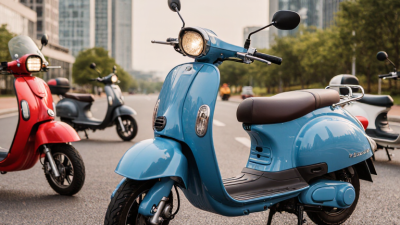
For global buyers, street legal scooters offer more than convenient transport. They combine compact design, lower running costs, and easier urban movement. A commuter can pass through narrow streets, park beside a café, and avoid searching for a full-size parking space. That practical freedom matters in crowded cities.
Horace Dediu, a widely cited micromobility analyst, once said, “Micromobility is the future of urban transportation.” His view reflects a visible shift. Buyers now examine lighting, braking performance, battery safety, rider comfort, and service support. These details matter during real journeys, not only during showroom demonstrations. A scooter should feel stable on uneven pavement and remain predictable during sudden stops. Small weaknesses become obvious after several rainy commutes.
However, “street legal” does not mean the same thing everywhere. Requirements may cover maximum speed, motor output, reflectors, insurance, registration, helmets, and approved charging systems. Responsible sellers should provide clear specifications, test documentation, warranty terms, and replacement-part information. Buyers should also confirm local rules before ordering. A model accepted in one country may need changes elsewhere.
There is no perfect scooter.
Range figures can disappoint in cold weather, heavy traffic, or hilly districts. Charging access may also be less convenient than expected. These limitations deserve honest discussion. Still, well-designed street legal scooters can deliver a practical balance between personal mobility and everyday efficiency. For international buyers, the strongest choice is not simply the fastest model. It is the one that fits local regulations, road conditions, maintenance habits, and real daily needs.
Why Choose Street Legal Scooters for Global Buyers?
A street legal scooter is designed to meet public-road requirements in its intended country. These requirements differ widely. One country may limit motor power, speed, or battery output. Another may require registration, insurance, and a visible identification number. Headlights, rear lights, turn signals, mirrors, brakes, reflectors, and approved tires are often essential. A scooter can look ready for traffic but still fail a local inspection. That detail is easy to overlook.
From practical buying experience, documentation matters almost as much as construction. Ask for conformity papers, technical specifications, and testing records before ordering. Confirm whether the scooter fits a motorcycle, moped, or low-speed vehicle category. Road access may also vary by city, even within one country. Some models require a specific license or protective equipment. Regulations can change, and online listings are not always current. I would verify every important detail with the destination country’s transport authority, rather than relying on a seller’s general statement.
Tips: Check the legal category first. Compare speed and power limits. Inspect the lighting and braking equipment. Confirm registration steps, insurance needs, and charging rules. Keep digital and printed copies of all certificates. Ask a local inspection office for written guidance when the wording seems unclear. A small compliance gap can create delays, extra costs, or an unusable vehicle.
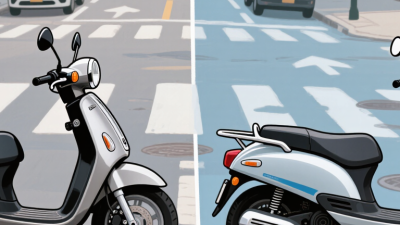
Maximum permitted design speed for selected road-legal scooter categories and national schemes
Street legality depends on more than speed. Buyers should also verify mandatory brakes, front and rear lights, audible warning devices, insurance or registration, vehicle approval, rider licensing, and local road-use restrictions. The 45 km/h EU category is a moped-class vehicle and normally requires type approval, registration, and additional rider requirements.
Sources: Germany eKFV · France Service-Public.fr · Singapore Land Transport Authority · UK e-scooter trial guidance · EU Regulation 168/2013
Street legal scooters offer global buyers a practical way to handle short urban journeys. They combine compact design, low running costs, and easier parking. In daily use, a scooter can slip through crowded streets and fit beside a small entrance. That matters in busy cities.
Key benefits begin with legal road readiness.
Approved lighting, mirrors, brakes, tires, and safety equipment support safer riding.
Buyers should still check local requirements.
Buyers should still check local registration, insurance, helmet, speed, and power requirements before ordering. Rules differ between countries, and even neighboring regions may use different standards.
A careful seller should provide clear specifications and compliance documents. Vague claims deserve caution.
Comfort also affects ownership.
A stable frame, visible controls, weather protection, and an adjustable seat can make commuting less tiring.
Battery range should match real routes, not only laboratory figures. Hills, cold weather, rider weight, and frequent stops can reduce distance.
I would test the planned route before choosing a model. That step is easy to overlook.
Maintenance access is another practical benefit.
Replaceable wear parts, readable manuals, and responsive technical support can reduce downtime.
Some buyers focus heavily on purchase price. That can be a mistake.
Charging space, service availability, and local parts support often shape the true cost over time. Reliable scooters are not only convenient; they are easier to understand, maintain, and use responsibly.
Why Choose Street Legal Scooters for Global Buyers?
Comparing street legal scooters requires more than checking top speed. Safety starts with predictable braking, stable steering, bright lights, mirrors, and visible turn signals. Test the scooter at low speed before judging its power. On wet pavement, tire grip can change quickly. A firm brake lever is useful, but smooth stopping matters more.
Performance should match daily conditions, not just advertising figures. Check hill climbing, battery range, charging time, suspension movement, and carrying capacity. Real range often falls in cold weather or heavy traffic. A short trial ride can reveal handlebar vibration, awkward controls, or weak acceleration. These details are easy to overlook. They should not be.
Compliance is harder for global buyers because road rules differ between countries and cities. Confirm the required speed limit, lighting layout, braking equipment, reflectors, vehicle identification, and permitted riding areas. Ask for clear technical documents, test reports, and conformity records. Do not rely on a seller’s phrase, “street legal.” Local authorities may require registration, insurance, a helmet, or a specific license. Documentation can be incomplete, and buyers sometimes discover this too late. A careful comparison leaves room for that uncertainty.
| Scooter Category | Typical Legal Classification | Typical Performance Range | Key Safety Equipment | Compliance Items to Verify | Best Use Case |
|---|---|---|---|---|---|
| Low-Speed Urban Scooter | Often treated as a moped or low-speed vehicle. In the European Union, the L1e-B category is generally limited to a design speed of 45 km/h and a maximum continuous rated power of 4 kW for electric vehicles. | Up to 45 km/h; commonly 1–4 kW continuous electric power. Practical electric range is often about 40–100 km, depending on battery size, rider weight, temperature, and speed. | Front and rear lamps, stop lamp, turn indicators where required, mirrors, horn, reflectors, service brakes, side stand, and a secure battery enclosure. | Vehicle type approval or local registration, manufacturer identification plate, lighting approval, braking compliance, electromagnetic compatibility, and required insurance or helmet documentation. | Short urban trips, residential roads, campus transport, and city commuting where the local speed limit and road-access rules permit use. |
| 50 cc Equivalent Petrol Scooter | Commonly regulated as a moped or small-capacity motorcycle. Many jurisdictions use a 50 cm³ engine limit and a 45 km/h speed threshold, but licensing and registration rules differ by country. | Approximately 40–50 km/h; usually 1.5–4 kW of engine output. Fuel consumption is commonly around 2–3.5 L/100 km under controlled test conditions. | Hydraulic or cable-operated brakes, approved headlamp, rear lamp, brake lamp, mirrors, indicators where required, horn, tires with road-use markings, and a stable center or side stand. | Engine-emission certification, noise compliance, vehicle identification number, registration eligibility, roadworthiness requirements, and applicable rider-license category. | Low-cost commuting on city streets and local roads, especially where charging infrastructure is limited. |
| 125 cc Equivalent Scooter | Usually classified as a light motorcycle. In many markets, the practical reference point is an engine displacement of up to 125 cm³ and power of up to 11 kW, although national license rules may impose additional limits. | Approximately 80–110 km/h; commonly 6–11 kW. Electric equivalents may use a 6–11 kW peak or rated-power specification, which must be compared carefully because definitions vary. | Larger brake discs or drums, improved suspension, dual mirrors, daytime running or headlamp visibility, approved tires, turn indicators, and optional anti-lock braking or combined braking systems. | Motorcycle type approval, braking and lighting tests, emissions or electric-powertrain documentation, VIN, registration, insurance, and a license appropriate to the vehicle class. | Longer commutes, arterial roads, moderate hills, and occasional passenger use where permitted by local law. |
| High-Speed Electric Motorcycle Scooter | Generally classified as an L3e-type motorcycle in the European Union when it exceeds the L1e-B speed or power limits. Other regions may use separate motorcycle, moped, or electric-motorcycle definitions. | Typically above 45 km/h and approximately 8–25 kW, with practical range often around 80–200 km. Actual range is strongly affected by speed, temperature, payload, and riding conditions. | Motorcycle-grade brakes, approved tires, strong frame and fork, reflective elements, battery thermal protection, high-voltage isolation, warning indicators, and anti-lock braking where fitted or required. | Motorcycle type approval, braking test evidence, electric-powertrain safety documentation, electromagnetic compatibility, lighting approval, charging safety information, VIN, registration, and insurance. | Fast urban travel, ring roads, suburban commuting, and routes requiring stronger acceleration or higher sustained speed. |
| Three-Wheeled Street-Legal Scooter | May be regulated as a three-wheeled moped, motorcycle, or motor tricycle. Classification can depend on wheel arrangement, track width, power, speed, and whether the wheels are fixed or tilting. | Approximately 45–120 km/h; power commonly ranges from 3–20 kW. Stability and turning behavior vary substantially by chassis design. | Independent braking performance, parking brake, approved lamps and indicators, mirrors, rollover-aware frame design, traction control where fitted, and correctly rated tires. | Correct vehicle category, type approval, dimensional and weight limits, braking documentation, lighting compliance, registration, insurance, and any special license requirement. | Riders seeking additional low-speed stability, delivery work, or transport on roads where three-wheeled vehicles are legally permitted. |
A street legal scooter can make short urban trips quieter, cheaper, and easier. Yet “street legal” has no universal meaning. Rules may differ by country, province, or city. Before paying, ask the local transport authority which class applies. Check permitted speed, motor output, rider age, registration, insurance, and helmet requirements. Get the answer in writing. Verbal advice can be incomplete.
Inspect the technical details, not only polished photos. Confirm working headlights, brake lights, indicators, mirrors, horn, reflectors, tires, and both brakes. Ask for conformity documents, a vehicle identification number, battery specifications, charger details, and the correct power plug. Import duties and certification fees may change the real cost. A product can look affordable until customs adds several charges. This is where many buyers miscalculate.
Think about daily support before choosing a seller. Can local technicians obtain compatible tires, brake parts, and batteries? Is the manual clear in your language? Ask how warranty claims work across borders and who pays return freight. Confirm safe battery transport rules before shipment. If possible, arrange a supervised test ride in a permitted area. Notice steering response, braking distance, deck stability, and riding comfort. I would not trust a promised range without considering hills, cold weather, rider weight, and tire pressure. Record any unusual vibration before deciding.
Importing a street legal scooter begins with classification, not enthusiasm. Check whether your destination treats it as a moped, motorcycle, or low-speed vehicle. Rules can change by engine power, top speed, lighting, and seat position. The IEA’s Global EV Outlook 2024 reports that electric two- and three-wheeler sales exceeded 10 million in 2023. That growth does not create automatic road approval.
Request the vehicle identification number, commercial invoice, certificate of conformity, and complete technical specifications. Ask customs about battery shipping documents, including the UN 38.3 test summary. Then confirm local registration, road tax, insurance, and license requirements before payment.
In Europe, Regulation (EU) No 168/2013 provides a useful reference for vehicle approval, but local authorities still make the final decision. A translated manual helps. Missing paperwork can become expensive.
Maintenance should follow the service schedule, even when the scooter looks simple. Inspect tire pressure, tread, brake pads, lamps, mirrors, and steering before each ride. Keep charging connectors dry, and store the battery away from heat. The World Health Organization reports that proper helmet use can reduce fatal injury risk by about 42% and head injury risk by 69%.
Real experience is less tidy: online specifications may be incomplete, and delivery damage is possible. Photograph the crate, check the VIN, and test every safety feature before registration.